Category Archives: ScarWork

SCARwork PART 3: The Benefits of SCARwork: Restoring Movement, Freedom, and Connection

More Than Physical Healing

SCARwork is about more than improving how a scar looks—it’s about restoring how the body functions and feels.

At its core, this work is focused on one thing:

“My goal is alw

ays to provide the body with movement capabilities.”

When movement is restored, everything else begins to shift.


Common Benefits of SCARwork
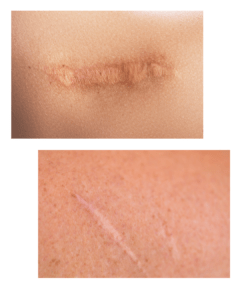
Clients often experience improvements such as:

Increased Mobility

Scar tissue can limit how the body moves. As restrictions soften, movement becomes easier and more natural.

Reduced Pain and Tension

By addressing underlying restrictions, SCARwork can relieve discomfort not only at the scar site, but in other connected areas.

Improved Posture and Alignment

When the body is no longer compensating for restricted tissue, posture can improve organically.

Greater Body Awareness

Clients often feel more connected to areas that previously felt numb, tight, or disconnected.

Emotional Release

Because the body stores experiences in tissue, working with scars can sometimes bring a sense of emotional relief or release.


Blending the Scar Back Into the Body

One of the key goals of SCARwork is integration.

“For every area that is compromised to be opened, blended in with the rest of the tissue.”

Instead of the scar feeling like a separate, restricted area, it becomes part of the body again—able to move, respond, and function more freely.


Breaking Free from Old Patterns

Scar tissue can create long-standing patterns in the body—ways of moving or holding tension that become automatic over time.

SCARwork helps unwind those patterns.

“Client freedom from old holding patterns.”

This can lead to:

  • More efficient movement
  • Less strain on surrounding areas
  • A greater sense of ease in daily life

Is SCARwork Right for You?

You might benefit from SCARwork if you:

  • Feel tightness, pulling, or restriction around a scar
  • Notice movement limitations after surgery or injury
  • Have an old scar that still feels “stuck”
  • Want to improve how your body moves and feels overall

As always, it’s important to consult with your healthcare provider when appropriate, especially for recent or complex conditions.


Final Thoughts

Your body is always working toward healing—but sometimes it needs the right support.

SCARwork offers a way to gently reconnect, restore movement, and create lasting change from the inside out.

If you’re ready to explore what’s possible for your body, this work may be a powerful next step.
How SCARWORK Works: A Layered Approach to Healing

Why Going Deeper Isn’t Always Better


When it comes to scar tissue, it might seem like the solution is to “go deep” and break things up.

But that approach can actually miss what the body needs most.

Scar tissue forms in layers—just like the rest of the body. And each of those layers can hold restrictions that affect how the scar moves and integrates.

“As with Structural Integration, I keep in mind that the scar has many layers… If I attempt to go deep into the scar immediately, I will miss that opportunity.”

SCARwork starts at the surface and works gradually, allowing each layer to respond and release in its own time.


The Role of Fascia in Scar Tissue

Fascia is the connective tissue that surrounds and supports muscles, organs, and structures throughout the body.

When scar tissue forms, it can disrupt this system by:

  • Creating adhesions
  • Limiting glide between layers
  • Restricting movement

Even if the skin looks healed, the deeper layers may still be holding tension.

That’s why SCARwork focuses on restoring movement—not just changing texture.


Inviting Movement Back Into the Body

Instead of forcing the tissue to change, SCARwork uses gentle touch to invite movement back into the area.

“I work the scar tissue in order to invite movement.”

This approach:

  • Encourages the body to reorganize naturally
  • Supports the nervous system
  • Reduces guarding and tension
  • Improves communication between tissues

The result is often a feeling of softness, ease, and increased mobility.


Even Severe Scars Can Change

Many people assume that once scar tissue is “set,” it can’t be improved—especially in cases of burns or extensive injury.

But the body is more adaptable than we often realize.

“Even with a burned area, there is still hope for movement. Underneath that severely scarred tissue is healthy fascia waiting to be released.”

SCARwork works with this principle—trusting that beneath restriction, there is still potential for change.


What a Session May Feel Like

SCARwork is typically:

  • Slow and intentional
  • Gentle rather than aggressive
  • Focused on subtle changes
  • Often deeply relaxing

Clients may notice:

  • Increased awareness in the area
  • A sense of softening or warmth
  • Improved movement over time

Final Thoughts

SCARwork is not about forcing the body—it’s about working with it.

By respecting the layers of tissue and allowing the body to respond naturally, this approach creates space for real, lasting change.

In Part 3, we’ll explore the benefits of SCARwork and what kind of results clients often experience.

What is SCARwork? Understanding Scar Tissue + Why It Matters

What is SCARwork?


Scar tissue tells a story—but sometimes, it’s one the body is still trying to process.

SCARwork is a gentle, hands-on therapy focused on improving the mobility, texture, and integration of scar tissue within the body. Whether from surgery, injury, or burns, scars don’t just exist on the surface—they affect multiple layers of tissue, including the fascia, which plays a major role in how your body moves and feels.

While many people think of scars as purely cosmetic, they can create deeper restrictions that impact posture, movement, and even pain patterns throughout the body.


Why Scar Tissue Matters More Than You Think

Scar tissue forms as part of the body’s natural healing process. However, it doesn’t always organize in the same flexible, functional way as healthy tissue.

This can lead to:

  • Tightness or pulling sensations
  • Limited range of motion
  • Compensation patterns in other areas of the body
  • Chronic discomfort or pain
  • A feeling of “disconnect” in the affected area

Because fascia is a continuous system throughout the body, a restriction in one area can influence movement somewhere completely different.


A Different Way to Think About Healing

Many traditional approaches focus on the appearance of the scar or attempt to “break up” tissue aggressively.

SCARwork takes a different approach.

“What I wish to achieve in scar tissue is to soften it, to fill it, to have it integrate with the tissue around it.”

Rather than forcing change, the goal is to invite the body back into movement and connection.

This means:

  • Working gently and intentionally
  • Respecting the layers of the tissue
  • Allowing the nervous system to feel safe
  • Supporting long-term, sustainable change

It’s Not Just About the Scar

One of the most important things to understand is that scars don’t exist in isolation.

They can influence:

  • Posture
  • Breathing patterns
  • Muscle activation
  • Overall body alignment

That’s why SCARwork often complements practices like Structural Integration—looking at the body as a whole system, not just a single area.


Who Can Benefit from SCARwork?

SCARwork can be helpful for people with:

  • Surgical scars (C-sections, joint replacements, etc.)
  • Injury-related scars
  • Burn scars
  • Old scars that still feel tight or restricted
  • Newer scars that are fully healed but not functioning well

Even scars that are years—or decades—old can still respond to this work.


Final Thoughts

Healing doesn’t stop once a wound closes.

SCARwork recognizes that beneath the surface, there’s still an opportunity for the body to regain movement, ease, and connection.

In the next post, we’ll dive deeper into how SCARwork actually works and why a gentle, layered approach is key.