Tag Archives: fascia

What Is Structural Integration (S.I.)? A Greenville Guide

You’ve tried massage. You’ve stretched, rested, maybe taken something for the ache. It helps for a day or two, and then the same tightness creeps back. If that sounds familiar, Structural Integration (S.I.) offers a different way of looking at the problem.

S.I. is hands-on bodywork that focuses on fascia, the connective tissue that wraps and links every muscle, bone, nerve and organ. It works to bring the whole body into better balance with gravity rather than focusing on just the pain point. I’m Cody Smolik, an Advanced Rolf Practitioner in Greenville. I’ve practiced S.I. since 2007 and work with clients across the Upstate, from Greenville to Spartanburg and Anderson.

Where Structural Integration came from

S.I. was developed by Dr. Ida P. Rolf, a scientist well ahead of her time. She earned a Ph.D. in biochemistry from Columbia University in 1920, then researched organic chemistry at the Rockefeller Institute (Dr. Ida Rolf Institute). Health challenges in her own family led her to study osteopathy, yoga and other approaches. They all pointed to the same idea: the way the body is aligned affects how well it functions.

Her central insight was about gravity. It pulls on us every moment of every day. When the body is out of balance, the fascia holding it together adapts to that strain, creating patterns of tension and compensation. Dr. Rolf asked what it would take to organize the body so it works with gravity instead of fighting it. Structural Integration was her answer, and the name she chose for her work.

To teach it, Dr. Rolf founded and named the Guild for Structural Integration in the mid-1960s. It has trained practitioners in her original method for decades, and I am one of its graduates. Today the Guild is known as the American Guild for Structural Integration (AGSI), a nonprofit that carries Dr. Rolf’s original work forward (AGSI).

What is fascia, and why does it matter?

Illustration of fascia, the connective tissue web around muscles

Fascia is a strong, continuous web of tissue throughout the body. It helps muscles, ligaments and tendons glide smoothly over bone and cartilage. Healthy fascia is supple and elastic. (For a closer look, read Meet the tissue you’ve probably never thought about: fascia.)

Injury, surgery, repetitive motion, long hours at a desk and everyday stress can cause fascia to tighten and bind. Because it is all connected, a restriction in one area can change how another area moves. That is why the place that hurts is not always the source of the problem.

S.I. uses slow, deliberate, hands-on work to release and reorganize the fascia. My approach is to follow the tissue: sense where it wants to go, guide it, and rebuild the body’s balance through it.

The 10-session series
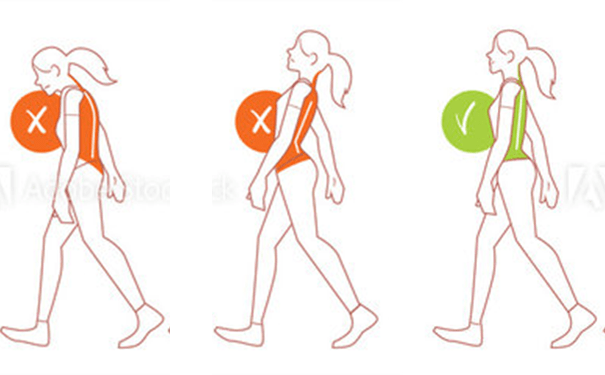
Posture before and after a Structural Integration series

Dr. Rolf designed S.I. as a series of ten sessions, often called “the Recipe.” Each session builds on the last. AGSI teaches this Basic 10 Series with a focus on the body’s vertical line, with the goal of helping clients move with more ease and less tension. The Dr. Ida Rolf Institute groups the ten sessions into three stages:

  • Sessions 1–3, foundation: freeing the outer layers of fascia, easing the breath, and balancing the feet and legs for a stable base.
  • Sessions 4–7, core: deeper work from the pelvis to the head and through the legs to build internal support.
  • Sessions 8–10, integration: tailored to your body, tying the work together into balanced, coordinated movement.

Most people feel a difference after the first session, and the body keeps integrating the changes after the series ends. My goal is to help you “self-correct,” with an occasional tune-up rather than endless appointments.

Does Structural Integration hurt?

It’s the question I hear most. S.I. works with your body, not against it. Sessions are slow and deliberate, and you stay in control of the pressure. If anything feels like too much, say so and I’ll adjust.

I also offer ScarWork, which helps scar tissue blend back into the surrounding tissue. It’s relaxing and not painful. I’ve also recently added BoneWork to my practice. Both ScarWork and BoneWork were developed by Sharon Wheeler, a student of Dr. Rolf’s, and all of my services belong to the same family of Dr. Rolf’s work with the fascial net.

Who can benefit?

Balance and tensegrity in the body restored by structural integration

Dr. Rolf believed every body carries some degree of imbalance and that people of all ages can benefit. I work with clients from all walks of life, including athletes, people with repetitive strain, chronic conditions or disabilities, and burn survivors. People often come to S.I. for:

  • Aches that keep coming back
  • Old injuries that never fully settled
  • Posture and alignment
  • Strain from desk work or repetitive motion
  • Staying flexible and mobile with age

See the full list on Who can benefit from Structural Integration?, or read Part 3: Who is structural integration for?

S.I. is not a substitute for medical care. Talk with your doctor about new, persistent or concerning pain.

My story

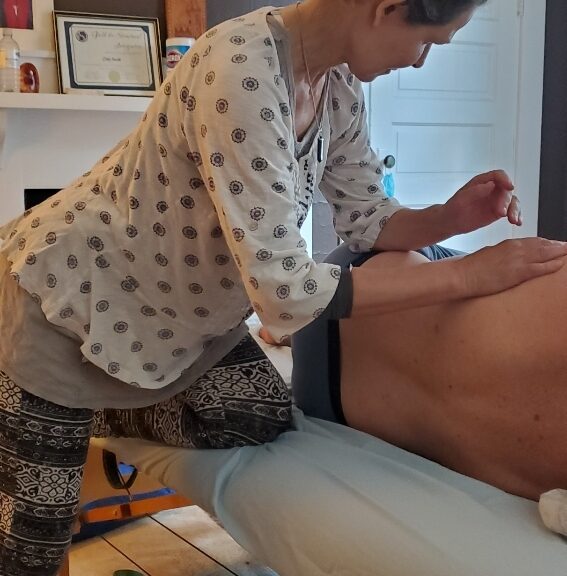
Cody Smolik, Rolf practitioner and Structural Integration specialist in Greenville, SC

I discovered S.I. as a dancer in San Francisco. Years later, a fall on black ice left me with severe nerve pain. Doctors, physical therapy, injections, chiropractic care and acupuncture each helped for a while, but nothing lasted. Structural Integration helped me rebalance and work my way out of pain. Read my full story.

That experience shapes how I work with every client. I’m an advanced S.I. practitioner trained at the Guild for Structural Integration (Natural Awakenings). I see clients at 123 West Stone Avenue in Greenville.

Ready to feel the difference?

If you are tired of managing the same aches over and over, S.I. may help you get to the source. Contact me to schedule a consultation, email info@codysmolik.com, or call (917) 544-4412.

Keep reading: Let’s Talk About Structural Integration · Part 2: How Does Structural Integration Work?

Part 2: How Does Structural Integration Work?
In Part 1 of our series, we introduced structural integration as a whole-body approach to bodywork. Now let’s look more closely at what a practitioner is actually working with—and why an issue in one area of the body may be connected to patterns somewhere else.

One of the central components of structural integration is fascia.

What Is Fascia?

Fascia is connective tissue found throughout the body. It surrounds and helps support muscles, bones, nerves, blood vessels, and other structures, creating an interconnected network from head to toe.

This interconnectedness is important when thinking about movement.

Your shoulder doesn’t operate completely independently of your rib cage. Your pelvis doesn’t move independently of your spine. Your feet can influence how you stand and walk, which can affect what happens farther up the body.

Structural integration looks at those relationships.

Your Body Is Very Good at Compensating

Imagine you injure your ankle.

For a while, you may put more weight on the opposite leg. Your stride changes. Your pelvis may begin moving differently. Your back may compensate for the altered movement.

The ankle eventually feels better—but some of those movement habits can linger.

Compensation isn’t necessarily a bad thing. It’s one of the ways our bodies allow us to keep functioning. But when compensatory patterns become habitual, they can sometimes contribute to inefficient or uncomfortable movement.

And injuries aren’t the only reason these patterns develop.

They can also be influenced by repetitive work, prolonged sitting, athletic activities, stress, surgeries, habitual posture, or simply years of moving in familiar ways.

Looking Beyond the Symptom

This is where structural integration differs from approaches that concentrate exclusively on a symptomatic area.

If someone experiences recurring shoulder tension, for example, a structural integration practitioner may certainly work with the shoulder—but may also consider the rib cage, spine, neck, breathing mechanics, pelvis, or other areas that influence how the shoulder moves.

The purpose isn’t to chase symptoms around the body. It’s to understand the larger movement pattern.

Creating New Possibilities for Movement

Through hands-on fascial work and movement awareness, structural integration aims to help the body explore more efficient options for movement and organization.

For some people, that may translate into feeling less restricted. Others may notice greater awareness of their posture, easier movement, or changes in how they perform everyday activities.

The process is highly individual because no two bodies arrive with exactly the same history or movement patterns.

That’s one of the central ideas behind structural integration:

Instead of treating the body like a collection of separate parts, we look at the relationships between those parts.

In Part 3, we’ll talk about who may consider structural integration, what a session is like, and what to expect when beginning the process.

Structural integration is complementary bodywork and is not a substitute for medical evaluation, diagnosis, physical therapy, or other necessary healthcare. Consult an appropriate healthcare professional about unexplained, persistent, severe, or worsening symptoms.

Meet the tissue you’ve probably never thought about: fascia.

Fascia is a continuous web of connective tissue that surrounds every muscle, bone, nerve, and organ in your body.

When it’s healthy, everything glides and moves efficiently.

When it becomes restricted—from injuries, surgeries, repetitive movement, or chronic stress—it can contribute to:

• Stiffness
• Poor posture
• Limited mobility
• Chronic tension
• Pain that seems to move around

Because fascia connects everything, discomfort in one area may actually begin somewhere else.

That’s why Rolfing looks at the body as one connected system instead of treating isolated symptoms.

What Is Rolfing® Structural Integration? (And Why It’s So Much More Than a Massage)

If you’ve ever heard the word Rolfing® and thought, “Isn’t that just a really deep massage?”—you’re not alone.

It’s one of the biggest misconceptions about Rolfing Structural Integration.

While it does involve hands-on work with the body’s connective tissue (fascia), Rolfing is actually an educational approach to improving posture, movement, and overall function. Rather than simply treating sore muscles, it looks at how your entire body is organized in relation to gravity.

So…What Is Rolfing?

Rolfing Structural Integration was developed by Dr. Ida P. Rolf, a biochemist who spent decades studying how the body adapts to gravity and movement patterns.

Over time, injuries, repetitive movements, surgeries, stress, and even emotional experiences can cause the body’s fascial system to tighten and compensate. These compensations may not only affect the area where pain is felt—they can influence the entire body.

A Rolfer works to help restore balance throughout the body by addressing these fascial restrictions while helping clients discover more efficient ways of moving.

The goal isn’t simply to feel better for a day.

The goal is to help your body function better for years to come.

What Is Fascia?

Fascia is a web-like connective tissue that surrounds every muscle, bone, nerve, organ, and blood vessel in your body.

Think of it as your body’s internal support system.

When fascia becomes restricted or loses its natural glide, it can contribute to:

  • Chronic pain
  • Limited mobility
  • Poor posture
  • Muscle tension
  • Compensation patterns
  • A feeling of stiffness or imbalance

Because fascia connects everything, a problem in one area may show up as pain somewhere completely different.

How Is Rolfing Different From Massage?

Massage generally focuses on relaxing muscles and relieving tension.

Rolfing looks at why that tension developed in the first place.

Instead of chasing symptoms, sessions focus on improving how your whole body works together.

That may include:

  • Improving posture
  • Increasing range of motion
  • Helping joints move more freely
  • Creating more efficient movement patterns
  • Reducing chronic strain
  • Improving body awareness

Many clients notice they stand taller, breathe easier, and move with less effort after a series of sessions.

Does Rolfing Hurt?

This is probably the most common question.

The answer is: it shouldn’t be unnecessarily painful.

Modern Rolfing is not about forcing tissues to change through excessive pressure.

A skilled Rolfer works with your nervous system and fascia to create lasting change. Some areas may feel tender or intense—especially where long-held restrictions exist—but communication is always part of the process.

Treatment should be effective, not punishing.

Who Can Benefit?

Rolfing may be helpful for people experiencing:

  • Chronic neck or back pain
  • Hip discomfort
  • Shoulder tension
  • Limited mobility
  • Postural imbalances
  • Athletic performance goals
  • Recovery after injury (with physician clearance)
  • Scar tissue restrictions
  • Repetitive stress from work or hobbies

Every person is different, and a thorough evaluation helps determine whether Rolfing is an appropriate fit.

Is Rolfing Right for You?

If you’ve been treating the same pain over and over without lasting relief, it may be worth looking beyond where it hurts.

Sometimes the answer isn’t at the site of the pain—it’s in how the entire body is working together.

Rolfing Structural Integration helps address those larger patterns so your body can move with greater ease, efficiency, and comfort.

As always, consult with your physician before beginning any new treatment, especially if you have medical conditions, recent injuries, or have recently had surgery.

Curious whether Rolfing could help your specific situation? I’d be happy to answer your questions and help determine whether it’s the right fit for you.

Ehlers-Danlos Syndrome: A Gentle Approach to Structural Integration and Rolfing

In Part 1, we talked about what Ehlers-Danlos syndrome (EDS) is, common symptoms, and how structural integration or Rolfing may play a supportive role. In Part 2, we’re diving deeper into what this work can actually look like for someone with EDS—and why a gentle, highly individualized approach matters so much.

Why EDS Bodies Need a Different Approach

If you have EDS, your body doesn’t respond to movement and touch the same way as someone without hypermobility.

Because connective tissue is more elastic, joints often lack stability. The body adapts by creating tension patterns: muscles gripping, overworking, and compensating to hold everything together. Over time, this can lead to:

  • Chronic muscle tightness
  • Fatigue from overuse
  • Joint instability or frequent “slipping” sensations
  • Pain that moves or feels inconsistent

This means the goal is not to increase flexibility. Most people with EDS already have plenty of that.

The goal is support, awareness, and efficiency.


What Structural Integration Can Focus On

When adapted appropriately, structural integration or Rolfing may support individuals with EDS by focusing on:

1. Reducing Excess Tension (Not Adding Stretch)
Instead of pushing the body deeper, sessions can help calm overactive muscles that are working overtime to stabilize joints.

2. Improving Body Awareness (Proprioception)
Many people with EDS struggle with proprioception—knowing where their body is in space. Gentle, intentional touch can help improve awareness and coordination.

3. Encouraging More Efficient Movement Patterns
Small shifts in how you stand, walk, or move can reduce strain on unstable joints and decrease fatigue over time.

4. Supporting Better Relationship with Gravity
A core principle of Rolfing, influenced by Ida Rolf, is helping the body organize in a way that works with gravity instead of constantly fighting against it. For someone with EDS, this can mean less effort spent just “holding yourself together.”


The Importance of a Collaborative Care Plan

Structural integration should never exist in isolation for someone with EDS.

The most effective approach often includes:

  • Medical oversight from your doctor or specialist
  • Strength-based physical therapy
  • Nervous system regulation (rest, pacing, stress management)
  • Education on movement and daily habits

Think of Rolfing or structural integration as one piece of the puzzle, not the entire solution.


Who Might Benefit Most

While research is still limited, individuals with EDS who may benefit from this type of work often include those who:

  • Experience chronic muscle tension or guarding
  • Feel disconnected from their body or movement
  • Are already working on strength and stability
  • Want a gentle, body-aware approach to pain management

A Final Word of Caution

EDS exists on a spectrum, and some types—especially vascular forms—require extreme care.

Before beginning structural integration or Rolfing:

  • Talk with your doctor
  • Share your diagnosis with your practitioner
  • Ask about their experience working with hypermobility

Your safety always comes first.


The Takeaway

Living with EDS can feel like your body is constantly working against you. The right kind of support can help shift that experience.

Structural integration and Rolfing aren’t about “fixing” your body.
They’re about helping you move with more ease, awareness, and support—within the body you have.

How SCARWORK Works: A Layered Approach to Healing

Why Going Deeper Isn’t Always Better


When it comes to scar tissue, it might seem like the solution is to “go deep” and break things up.

But that approach can actually miss what the body needs most.

Scar tissue forms in layers—just like the rest of the body. And each of those layers can hold restrictions that affect how the scar moves and integrates.

“As with Structural Integration, I keep in mind that the scar has many layers… If I attempt to go deep into the scar immediately, I will miss that opportunity.”

SCARwork starts at the surface and works gradually, allowing each layer to respond and release in its own time.


The Role of Fascia in Scar Tissue

Fascia is the connective tissue that surrounds and supports muscles, organs, and structures throughout the body.

When scar tissue forms, it can disrupt this system by:

  • Creating adhesions
  • Limiting glide between layers
  • Restricting movement

Even if the skin looks healed, the deeper layers may still be holding tension.

That’s why SCARwork focuses on restoring movement—not just changing texture.


Inviting Movement Back Into the Body

Instead of forcing the tissue to change, SCARwork uses gentle touch to invite movement back into the area.

“I work the scar tissue in order to invite movement.”

This approach:

  • Encourages the body to reorganize naturally
  • Supports the nervous system
  • Reduces guarding and tension
  • Improves communication between tissues

The result is often a feeling of softness, ease, and increased mobility.


Even Severe Scars Can Change

Many people assume that once scar tissue is “set,” it can’t be improved—especially in cases of burns or extensive injury.

But the body is more adaptable than we often realize.

“Even with a burned area, there is still hope for movement. Underneath that severely scarred tissue is healthy fascia waiting to be released.”

SCARwork works with this principle—trusting that beneath restriction, there is still potential for change.


What a Session May Feel Like

SCARwork is typically:

  • Slow and intentional
  • Gentle rather than aggressive
  • Focused on subtle changes
  • Often deeply relaxing

Clients may notice:

  • Increased awareness in the area
  • A sense of softening or warmth
  • Improved movement over time

Final Thoughts

SCARwork is not about forcing the body—it’s about working with it.

By respecting the layers of tissue and allowing the body to respond naturally, this approach creates space for real, lasting change.

In Part 3, we’ll explore the benefits of SCARwork and what kind of results clients often experience.

What is SCARwork? Understanding Scar Tissue + Why It Matters

What is SCARwork?


Scar tissue tells a story—but sometimes, it’s one the body is still trying to process.

SCARwork is a gentle, hands-on therapy focused on improving the mobility, texture, and integration of scar tissue within the body. Whether from surgery, injury, or burns, scars don’t just exist on the surface—they affect multiple layers of tissue, including the fascia, which plays a major role in how your body moves and feels.

While many people think of scars as purely cosmetic, they can create deeper restrictions that impact posture, movement, and even pain patterns throughout the body.


Why Scar Tissue Matters More Than You Think

Scar tissue forms as part of the body’s natural healing process. However, it doesn’t always organize in the same flexible, functional way as healthy tissue.

This can lead to:

  • Tightness or pulling sensations
  • Limited range of motion
  • Compensation patterns in other areas of the body
  • Chronic discomfort or pain
  • A feeling of “disconnect” in the affected area

Because fascia is a continuous system throughout the body, a restriction in one area can influence movement somewhere completely different.


A Different Way to Think About Healing

Many traditional approaches focus on the appearance of the scar or attempt to “break up” tissue aggressively.

SCARwork takes a different approach.

“What I wish to achieve in scar tissue is to soften it, to fill it, to have it integrate with the tissue around it.”

Rather than forcing change, the goal is to invite the body back into movement and connection.

This means:

  • Working gently and intentionally
  • Respecting the layers of the tissue
  • Allowing the nervous system to feel safe
  • Supporting long-term, sustainable change

It’s Not Just About the Scar

One of the most important things to understand is that scars don’t exist in isolation.

They can influence:

  • Posture
  • Breathing patterns
  • Muscle activation
  • Overall body alignment

That’s why SCARwork often complements practices like Structural Integration—looking at the body as a whole system, not just a single area.


Who Can Benefit from SCARwork?

SCARwork can be helpful for people with:

  • Surgical scars (C-sections, joint replacements, etc.)
  • Injury-related scars
  • Burn scars
  • Old scars that still feel tight or restricted
  • Newer scars that are fully healed but not functioning well

Even scars that are years—or decades—old can still respond to this work.


Final Thoughts

Healing doesn’t stop once a wound closes.

SCARwork recognizes that beneath the surface, there’s still an opportunity for the body to regain movement, ease, and connection.

In the next post, we’ll dive deeper into how SCARwork actually works and why a gentle, layered approach is key.

The Power of Motion in Structure

While our physical being stands still, the breath still moves, the thoughts still rumble on.  There is a lot of motion with it all, inside and out.  If we stop, all around us does too.  We become stifled, heavy, lazy even. Getting one unstuck from the other is the objective so that all parts of us move in balance, in play with the other aspects of ourselves.

Structural Integration works with the whole entity.  Not just the physical.  Not just parts.  Through the body is how I get to the mind, the emotions.  As per Ida Rolf “this is what I can put my hands on.”  I think of physically moving, balancing, opening the tissue. 

My experience is that changing movement patterns and allowing movement, can help the mind change too. 

Opening the spirit once the negative energy is dispelled.  By opening the tissue, other parts of the psyche open up, able to experience more, pick up momentum.  Move forward.

People often come to me wanting a change.  They discover through a few sessions that their thoughts, lives can change.  This is partly why they continue.  To continue their healing journey.  It just goes to a deeper, more spiritual level.

In essence, you change one thing, you change everything.  There is a chain reaction.  Motion brings things into play, thoughts into action, new ideas, new patterns.  This is living.